


Views: 0 Author: Site Editor Publish Time: 2026-01-19 Origin: Site


Extruder barrels are a critical component in extrusion systems used in various industries, including plastics, food, chemicals, and pharmaceuticals. They serve as the primary chamber where materials are melted, mixed, and shaped into the desired form before being ejected through the die. The extruder barrel works alongside other essential components like the extruder screw, heaters, and cooling systems to ensure the material is processed efficiently and consistently. In this article, we will explore the function, components, types, and importance of extruder barrels in the extrusion process.
An extruder barrel is a cylindrical chamber designed to house the screw that drives the extrusion process. The barrel’s primary function is to provide a controlled environment where materials are heated, melted, mixed, and homogenized before they are forced through a die to form the final product. It is essential in maintaining the required temperature and pressure during extrusion to ensure the material behaves as expected, whether for plastic processing, food production, or chemical applications.
Extruder barrels come in various designs, depending on the material being processed and the specific requirements of the production process. They are usually made of high-strength materials to withstand the high pressures and temperatures involved in the extrusion process.
An extruder barrel consists of several important components that work together to ensure efficient processing. These parts include:
Barrel Body: The main cylindrical structure that houses the screw and the material being processed. It is typically made from high-strength steel or alloys to resist wear and corrosion.
Screw Liner: The inner lining of the barrel that comes in contact with the material. It is designed to withstand the intense friction and temperature fluctuations that occur during the extrusion process.
Flange: The end part of the barrel that connects to other components of the extruder, such as the die or feed throat.
Heaters: Extruder barrels are often equipped with electric or infrared heaters to maintain a specific temperature during processing. These heaters help to melt and plasticize the material inside the barrel.
Cooling Systems: In addition to heating, extruder barrels may also have cooling systems such as water jackets to regulate the temperature and prevent overheating.
The materials used to construct an extruder barrel are critical to its performance and longevity. Some common materials include:
Steel Alloys: These are often used for their strength and durability, capable of handling high pressures and temperatures.
Stainless Steel: Known for its resistance to corrosion, stainless steel is commonly used for applications involving food or pharmaceutical production.
Tungsten Carbide Coatings: For applications requiring high wear resistance, tungsten carbide coatings may be applied to the inner surface of the barrel.
Material Type | Key Features | Common Applications |
Steel Alloys | High strength, durable, heat-resistant | General plastic processing |
Stainless Steel | Corrosion-resistant, non-reactive | Food, pharmaceutical processing |
Tungsten Carbide Coatings | Wear-resistant, long-lasting | High-performance extrusion processes |
The extruder barrel is the heart of the extrusion process. Material is fed into the barrel, where the screw rotates, pushing the material forward. As the material moves through the barrel, it is subjected to increasing pressure and temperature. This is achieved through the combination of heated sections in the barrel and the friction between the screw and the material. The extruder barrel is responsible for ensuring that the material is sufficiently heated and mixed to achieve a uniform consistency before it exits the die.
Heating and cooling are crucial processes within the extruder barrel. The barrel is equipped with a series of electric or infrared heaters to raise the temperature of the material to the required level for melting. As the material flows along the barrel, it is exposed to various temperature zones, each designed to further process the material at different stages of its journey.
Cooling is also important, particularly when dealing with heat-sensitive materials. The extruder barrel may be fitted with a water jacket or air-cooled system to regulate the temperature, ensuring that the material does not overheat and degrade during processing.
Extruder barrels come in two main types: closed and open.
Closed Barrels: These barrels have a sealed design, ensuring that the material is fully contained within the barrel during the extrusion process. Closed barrels are ideal for materials that require controlled environments and are commonly used in high-pressure applications.
Open Barrels: Open barrels have openings or vents that allow air or other substances to enter or exit. These barrels are used for processes that require the addition of auxiliary materials, such as fillers, or for cooling and venting during processing.
Side-feed barrels are a variation of the traditional design, where the material is fed into the barrel through a side opening. This design is ideal for materials that need to be added in stages or that require additional processing steps such as blending or compounding. Side-feed barrels are often used in high-fill applications and in the production of complex materials like composite fibers.
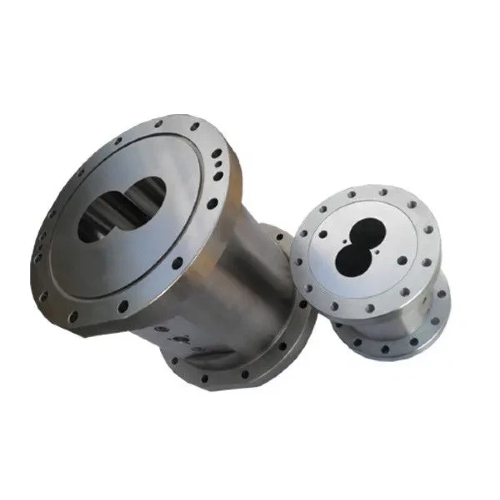
The extruder barrel plays a critical role in determining the precision and efficiency of the extrusion process. It helps maintain the right temperature and pressure, ensuring that materials are processed consistently. This is especially important for industries like plastics and food, where slight variations in temperature can lead to defects in the final product. The efficiency of the barrel directly impacts the throughput and overall cost-effectiveness of the extrusion process.
The extruder barrel is also crucial in shaping the material. As the material passes through the barrel, it is continuously forced into the desired shape by the screw. The die at the end of the barrel further shapes the material into the final product. The design and size of the barrel influence how smoothly the material flows and how effectively it is shaped. A well-designed extruder barrel ensures that the material is processed with minimal waste and maximum precision.
When selecting an extruder barrel, several factors must be considered:
Material Type: Different materials require different processing conditions. The barrel material and its design must be suited to handle the specific requirements of the material being processed.
Temperature and Pressure Requirements: Some materials, like thermoplastics, require high temperatures and pressures to melt and flow properly. The extruder barrel must be able to handle these conditions.
Barrel Size and Design: The diameter and length of the barrel affect the rate at which material is processed. Larger barrels can handle more material but may require more power to operate.
Extruder barrels can be customized to suit specific applications. For example, barrels can be designed with specialized liners for wear resistance or customized heating zones to meet the unique requirements of certain materials. Customization is especially important for industries such as food and pharmaceuticals, where specific standards must be met.
The extruder barrel is a critical component in the extrusion process, playing a key role in heating, melting, mixing, and shaping materials. Its design and performance are directly linked to the quality, efficiency, and precision of the extrusion process. A well-designed extruder barrel ensures consistent material flow, minimizes waste, and enhances product quality, making it essential for manufacturers looking to optimize production. At Gendrre, we specialize in providing high-quality extruder barrels tailored to meet the specific needs of various industries, from plastics to food processing. By choosing the right extruder barrel, manufacturers can significantly improve their production processes and achieve superior results. For more information on how we can support your extrusion needs, or to discuss a customized solution, we invite you to get in touch with us. Our expert team is ready to help you find the perfect solution for your manufacturing requirements.
Extruder barrels are typically made from steel alloys, stainless steel, or tungsten carbide coatings. These materials are selected for their ability to withstand high temperatures, pressures, and wear over extended periods of operation.
The lifespan of an extruder barrel depends on factors such as maintenance, material processing, and operational conditions. With proper care and regular maintenance, an extruder barrel can last several years.
Yes, extruder barrels can be customized in terms of size, material, and internal configuration to suit specific production needs. This is especially useful in industries such as food processing and pharmaceuticals.
Temperature control is essential for maintaining the material's proper flow and consistency. Without precise temperature regulation, the material may overheat, degrade, or not reach the desired processing state.
Regular maintenance involves checking for wear, cleaning the barrel to remove material buildup, and ensuring that the heaters and cooling systems are functioning properly. Cleaning agents and specialized tools may be used to ensure the barrel remains in optimal working condition.


