| Quantity: | |
|---|---|


Barrel Liner
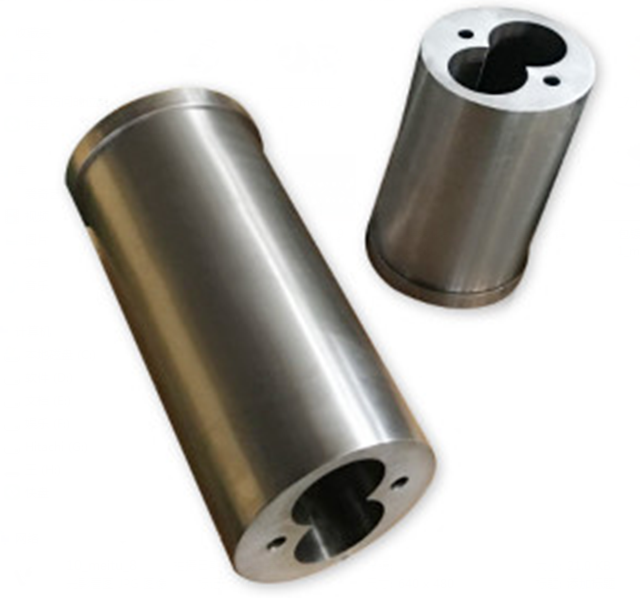
Product Name: Liner
Internal Bore Model:φ10 mm ~φ350mm
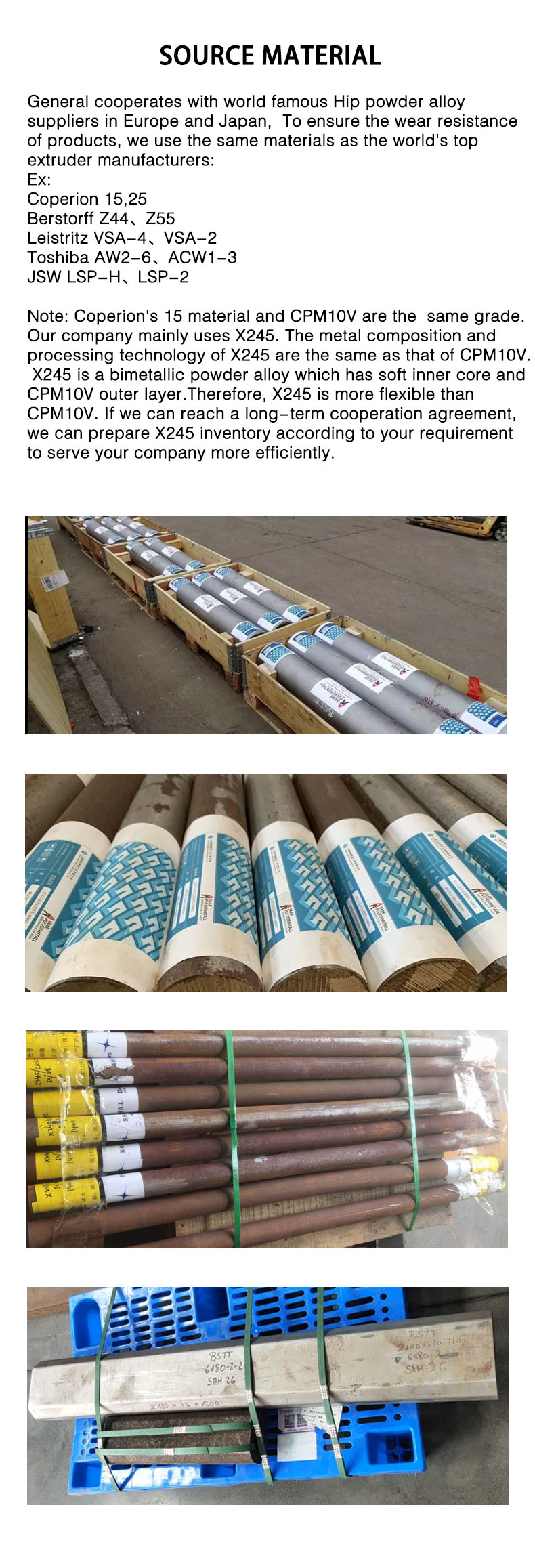
Applicable brands: Most well-known extruders on the market
Properties: Wear-resisting, Corrode-resisting and durable
Definition and Basic Concept:
Barrel liners are usually sleeve-shaped parts installed inside the barrel and work in coordination with components such as screws. Generally, they are wrapped around the inner wall of the barrel and serve as a crucial contact part during the flow and processing of materials inside the barrel, playing an indispensable role in the entire material processing process.
Structural Features:
Shape and Size: They generally come in the form of hollow cylinders. The dimensions of their inner and outer diameters are determined based on the specifications of the barrel, as well as the size of matching screws and other related components.For example, in the barrel of a small plastic extruder, the inner diameter of the liner may be only a few centimeters to match the corresponding small-sized screw, while in the barrel of a large industrial extruder, the inner diameter of the liner may reach dozens of centimeters or even larger. Their lengths also differ based on the overall length of the barrel and specific process demands. Certain liners extend through the entire length of the barrel, whereas others may only cover some key sections of it.
Material Characteristics: They are mostly made of materials with excellent wear resistance, high-temperature resistance, and corrosion resistance. Commonly used materials include copper alloy materials, such as tin bronze, which has good antifriction and wear resistance properties. It can reduce its own wear during long-term frictional contact with screws and materials and avoid adverse effects on materials at the same time. There are also some high-performance alloy steel materials. After undergoing special heat treatment processes, they possess strong high-temperature and corrosion resistance and are suitable for use in relatively harsh processing environments. For example, when processing plastic raw materials containing corrosive additives or high-temperature molten alloys and other materials, they can ensure the stability of their own structures and maintain a good working state.
Functional Roles:
Protect the Inner Wall of the Barrel: During the processes of material transportation, extrusion, and plasticization, the continuous rotation of the screw will cause friction between the materials and the inner wall of the barrel. The barrel liner can bear these frictional effects instead of the inner wall of the barrel, avoiding direct wear on the inner wall of the barrel and thus extending the service life of the barrel. For example, in plastic extrusion production, long-term friction of materials easily causes scratches, pits, and other damages to the inner wall of the barrel. With the protection of the liner, the barrel can maintain a good working state for a long time.
Optimize Material Processing: Characteristics such as the surface finish of the liner will affect the flow state of the materials. A smooth liner surface helps materials move more smoothly inside the barrel, reducing the occurrence of material accumulation and blockage, enabling materials to be heated evenly and fully plasticized, and thus improving the quality of products. Moreover, different materials of the liner can also play a certain role in regulating heat conduction for materials. For example, copper alloy liners have good thermal conductivity and can help materials reach the appropriate processing temperature inside the barrel more quickly.
Facilitate Maintenance and Replacement: Compared with directly repairing or replacing the entire barrel, when the barrel liner has problems such as wear and tear or damage, only the liner needs to be removed and replaced, which is relatively simple and convenient to operate and has a lower cost. It can effectively shorten the downtime for equipment maintenance and ensure the continuity of production.
Application Fields:
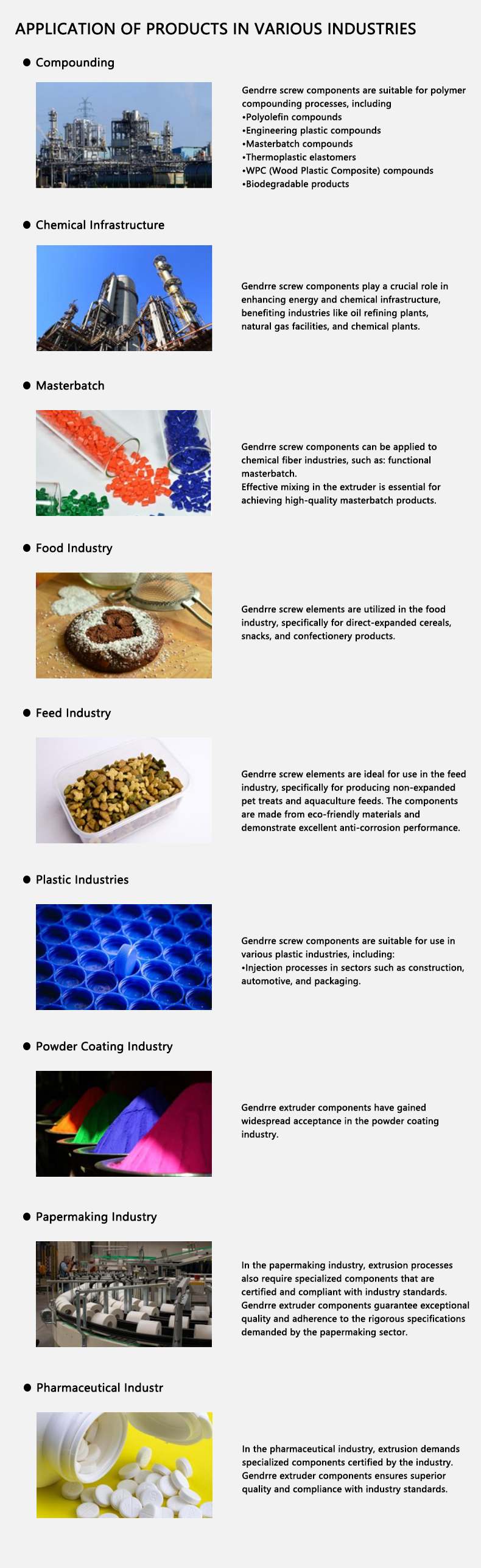
Barrel liners are widely used in many industries involving material extrusion and other processing technologies. In the plastic processing sector, barrel liners stand as crucial components for ensuring seamless production, whether it comes to manufacturing common plastic products like polyethylene and polypropylene, or processing engineering plastics and special plastics. Within the rubber industry, they also play a significant role in facilitating better processing of rubber materials inside the barrel during processes such as rubber mixing and extrusion molding. Furthermore, in certain metal processing fields—for instance, in processes like the injection molding of metal powders—barrel liners remain indispensable, guaranteeing that materials such as metal powders are transported and formed as required within the barrel.